

Yes — lab-grown diamonds are real diamonds. In gemology, experts define a diamond by its crystal structure and chemical composition, not by where it forms. These lab-created diamonds consist of crystalline carbon, just like mined diamonds, and they share the same physical, chemical, and optical properties.
The primary difference between lab-grown and mined diamonds comes down to origin, not appearance or performance. Scientists grow one in controlled laboratory conditions, while nature forms the other deep within the Earth over millions of years.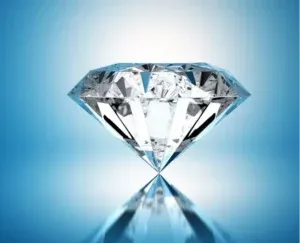
What “Real Diamond” Means in Gemology
A diamond is considered “real” if it is composed of carbon atoms arranged in a specific crystal lattice. This structure gives diamonds their hardness, brilliance, and durability. Because diamonds grown in a lab environment meet this definition, they are classified as real diamonds by major gemological organizations.Lab-grown diamonds are not simulants like cubic zirconia or moissanite. Those materials may resemble diamonds visually, but they have different chemical compositions and physical properties. Lab-created diamonds, by contrast, are diamonds in every scientific sense.
Lab-Grown vs. Mined Diamonds: What’s the Same and What’s Different?
Lab-grown and mined diamonds are indistinguishable to the naked eye and require specialized equipment to tell apart. Both can be graded using the same criteria—cut, color, clarity, and carat weight—and both can range widely in quality.
Where they differ is in how they are created:
- Mined Diamonds: Mined diamonds form naturally under extreme heat and pressure deep within the Earth and are brought to the surface through volcanic activity.
- Lab-Grown Diamonds: Lab-grown diamonds are produced in controlled environments that replicate the conditions under which diamonds form, allowing the crystal structure to develop over weeks rather than geological time.
How Lab-Grown Diamonds Are Made
There are two primary methods used to create diamonds in a lab environment:
High Pressure High Temperature (HPHT)
This method mimics the natural conditions of diamond formation by subjecting carbon to extreme heat and pressure. HPHT was the first successful technique used to create synthetic diamonds and is still widely used today.
Chemical Vapor Deposition (CVD)
CVD involves placing a small diamond “seed” in a chamber filled with carbon-rich gas. Under controlled conditions, carbon atoms bond to the seed, growing the diamond layer by layer. This method allows for precise control over the growth process.
Both methods produce diamonds with the same crystal structure and material properties as mined diamonds.
Are Lab-Grown Diamonds Worth It?
Whether this type of diamond is “worth it” depends on what the buyer values most.
At retail, laboratory-grown diamonds typically sell for less than mined diamonds of comparable size and quality, largely due to differences in supply and production methods. However, resale value and long-term market behavior can differ between lab-created and mined diamonds, and expectations should be set accordingly.
It’s important to separate:
- Purchase price: what you pay at retail
- Resale value: what the market may offer later
- Personal value: size, appearance, sourcing preferences
No option is universally better—each serves different priorities.
Common Myths About Lab-Grown Diamonds
- Myth: Lab-grown diamonds are fake.
Truth: They are real diamonds, not imitations. - Myth: Lab-grown diamonds are made from coal.
Truth: Diamonds form from carbon, but not from coal; most natural diamonds are far older and form much deeper in the Earth. - Myth: Lab-grown diamonds are less durable.
Truth: Both lab-grown and mined diamonds have the same hardness and durability.
How to Decide Which Diamond Is Right for You
When choosing between laboratory-grown and mined diamonds, consider:
- Your budget and size preferences
- How important origin and sourcing are to you
- Expectations around long-term value
- Whether visual appearance or rarity matters more
Understanding these factors helps ensure you choose diamond jewelry that aligns with your priorities, rather than assumptions.
Final Thoughts on Lab-Grown Diamonds
Lab-created diamonds are real diamonds, defined by the same science and evaluated by the same standards as mined diamonds. The difference lies not in what they are, but in how they are formed. With accurate information, choosing between lab-grown and mined diamonds becomes a matter of preference — not legitimacy.